
The Millennium Plot Investigation
Guantanamo DiaryThis flow follows how suspicion connected to Ahmed Ressam’s plot became a recurring rationale for questioning and detention, despite the absence of evidence against Slahi.
increasing Bearing strength in each event
 decreasing
Bearing strength in each eventdecreasingMontreal Questions

A New Kind of Suspicion
A Recent Arrival
Mohamedou Ould Slahi arrived in Montreal in November 1999 and lived for a time near the al Sunnah mosque. Ahmed Ressam had previously attended the same mosque and was linked to a plan targeting Los Angeles International Airport.
Community Scrutiny
Ressam’s arrest prompted Canadian investigators to examine Muslim communities in Montreal. Slahi recalled being watched and questioned, an experience that made everyday life in Canada feel constricted.
Decision to Leave
His family urged him to return to Mauritania, and he disliked feeling surveilled. He departed openly using his own passport, a detail he later used to challenge the claim that he had fled arrest.
Arrest in Dakar

The Case Crosses Borders
Detention at the Airport
After arriving in Dakar, Mohamedou Ould Slahi was seized by Senegalese agents alongside relatives and companions. He initially mistook the arrest for a robbery because the agents were dressed in civilian clothes.
American Interest
Senegalese police questioned him about the Millennium Plot, with American officials involved in the process. His brothers were later released, but Slahi remained in custody.
A First Finding
The Senegalese interrogator concluded that he was not the head of a terrorist organization and had no reason to keep him. Still, American requests kept the investigation moving across borders.
Questioning in Mauritania

The Investigation Continues
Transfer Home
Senegalese authorities transferred Mohamedou Ould Slahi to Mauritania rather than simply releasing him. There, state security officers questioned him about his Canadian contacts and the alleged plot.
Ambiguous Evidence
Investigators repeatedly returned to phone calls, acquaintances, and phrases such as “tea and sugar.” Slahi said these ordinary details were interpreted as coded signals despite no demonstrated criminal meaning.
Release
After further questioning, authorities concluded there was no evidence to hold him and released him on February 19. The conclusion did not prevent the same suspicions from resurfacing later.
The Questions Return

Suspicion After September 11
Reopened Case
Mauritanian authorities detained Slahi again after the September 11 attacks, with American agents renewing questions about the Millennium Plot. The earlier investigation’s lack of evidence did not end the inquiry.
Search and Release
Officials searched his home and seized materials before releasing him in October. Senior Mauritanian figures told his employer he was clear to return to work.
A Lasting Label
The repeat questioning reinforced the association between Slahi and the plot in investigators’ minds, even though the stated suspicion remained unproven. That label helped shape later interrogations across several countries.
A Confession Under Pressure
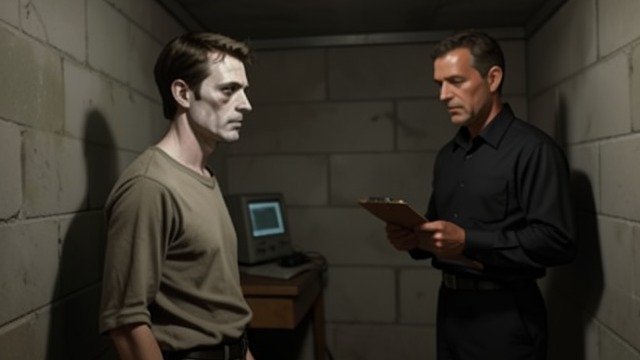
A Story Made to End the Pressure
Isolation and Coercion
After the military took over his interrogation, Slahi faced prolonged isolation, threats, sleep deprivation, and humiliating treatment. Interrogators repeatedly suggested that cooperation could bring relief.
The Toronto Allegation
He eventually wrote a detailed confession claiming he had planned to bomb the CN Tower. He described it as fabricated to satisfy interrogators and stop the suffering, not as an account of real conduct.
Evidence Reconsidered
The confession did not become a credible foundation for prosecution. His experience illustrates how the original Millennium suspicion could expand into increasingly elaborate allegations without reliable corroboration.
Late 1999
January 2000
February 2000
September–October 2001
Late 2003
